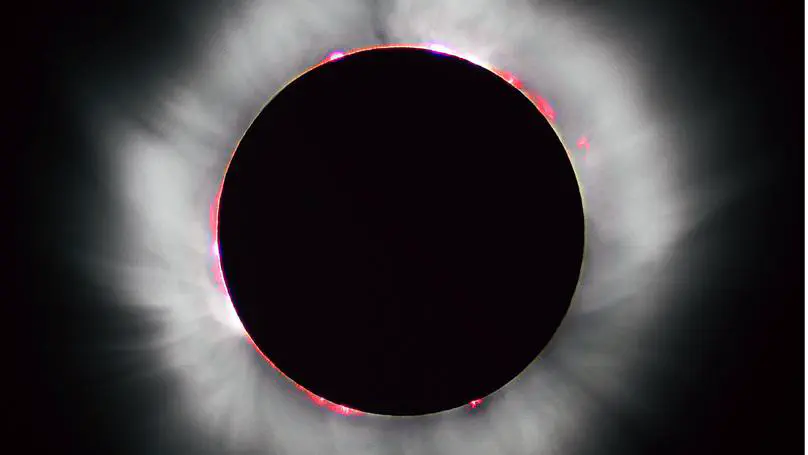
The rotation of stars has long served as a cosmic clock. By measuring the rotation speed of a star similar to the Sun, astronomers could estimate its age with remarkable accuracy. But over the past decade or so, this method, known as gyrochronology, has shown signs of failing when applied to stars slightly older than the Sun. Why are they still spinning too fast, when they should have slowed down?

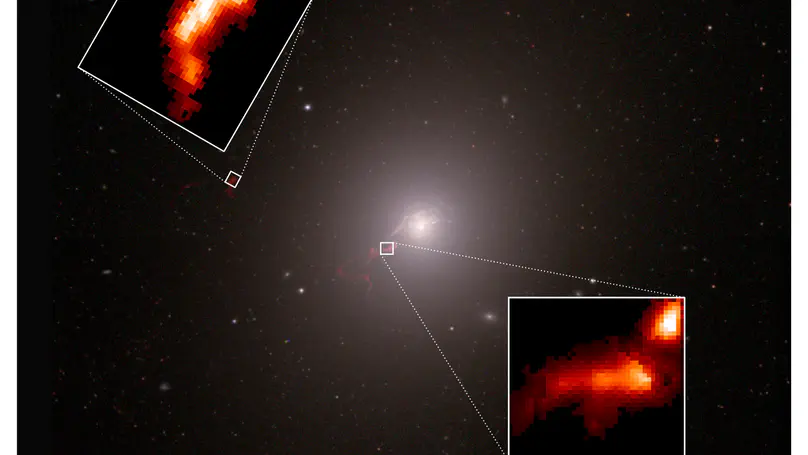
An international team of astronomers has captured the most detailed and completed view yet of the mysterious filaments surrounding the giant galaxy M87.

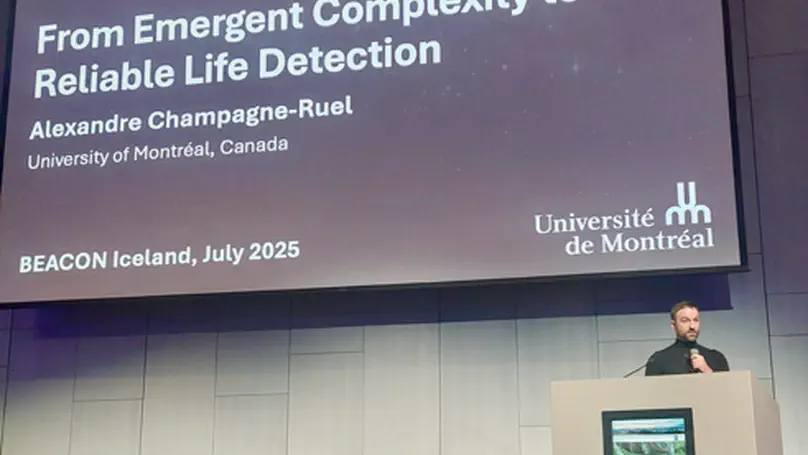
Alexandre Champagne-Ruel, a PhD student in physics at the University of Montreal, has been awarded a prestigious grant from NASA’s postdoctoral programme in astrobiology. This will enable him to continue his research on detecting life in the Universe at Arizona State University for the next two years.

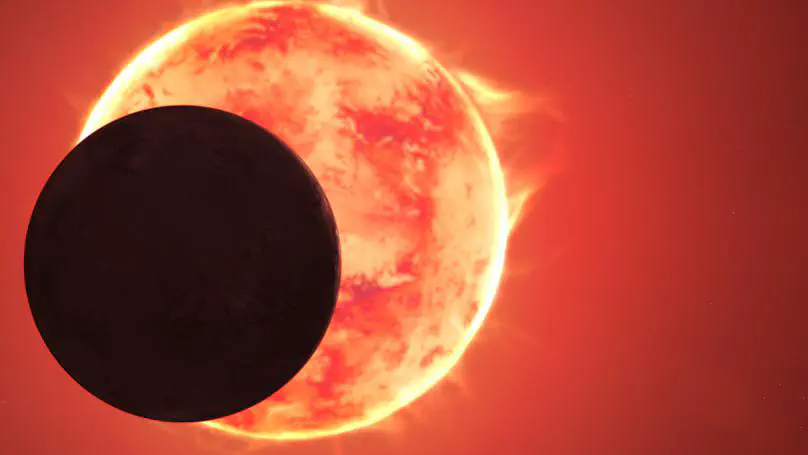
Could Earth-sized exoplanets be habitable? A new study led by Caroline Piaulet-Ghorayeb, a previous member of the Centre of Research in Astrophysics of Quebec, suggests it’s still too soon to say—at least when it comes to TRAPPIST-1 d.

The Near-InfraRed Planet Searcher (NIRPS) is a new high-resolution spectrograph designed to search for exoplanets and study their atmospheres. Exoplanets are planets orbiting stars other than our Sun. In a new study published today in Astronomy & Astrophysics, the international NIRPS team shares the instrument’s design, first observations, and early scientific results.